Exploring Essential Vitamins and Minerals for Male Vitality and Well-being
An educational resource providing evidence-based information on nutritional science and natural ingredients

An educational resource providing evidence-based information on nutritional science and natural ingredients
Male health and vitality depend on adequate nutritional intake. This educational resource explores the science behind essential vitamins, minerals, and botanical ingredients that support various bodily functions. Understanding nutrition empowers individuals to make informed dietary choices.
The information presented here is for educational purposes only, explaining how nutrients function in the body and their natural dietary sources. This is not medical advice, nor does it replace professional medical consultation.

Vitamins are organic compounds essential for numerous bodily functions. Let's explore three critical vitamins for male well-being:
The group of B vitamins plays a crucial role in energy metabolism, converting food into usable energy. They also support nervous system function and red blood cell formation.
Often called the "sunshine vitamin," Vitamin D is critical for calcium absorption, bone health, and immune system support. It's naturally produced when skin is exposed to sunlight.
A powerful antioxidant, Vitamin C is essential for collagen synthesis, immune support, and protection against oxidative stress. It's abundant in citrus fruits and vegetables.
Minerals are inorganic elements vital for countless enzymatic reactions and physiological processes. These three minerals deserve special attention:
| Mineral | Primary Functions | Natural Dietary Sources |
|---|---|---|
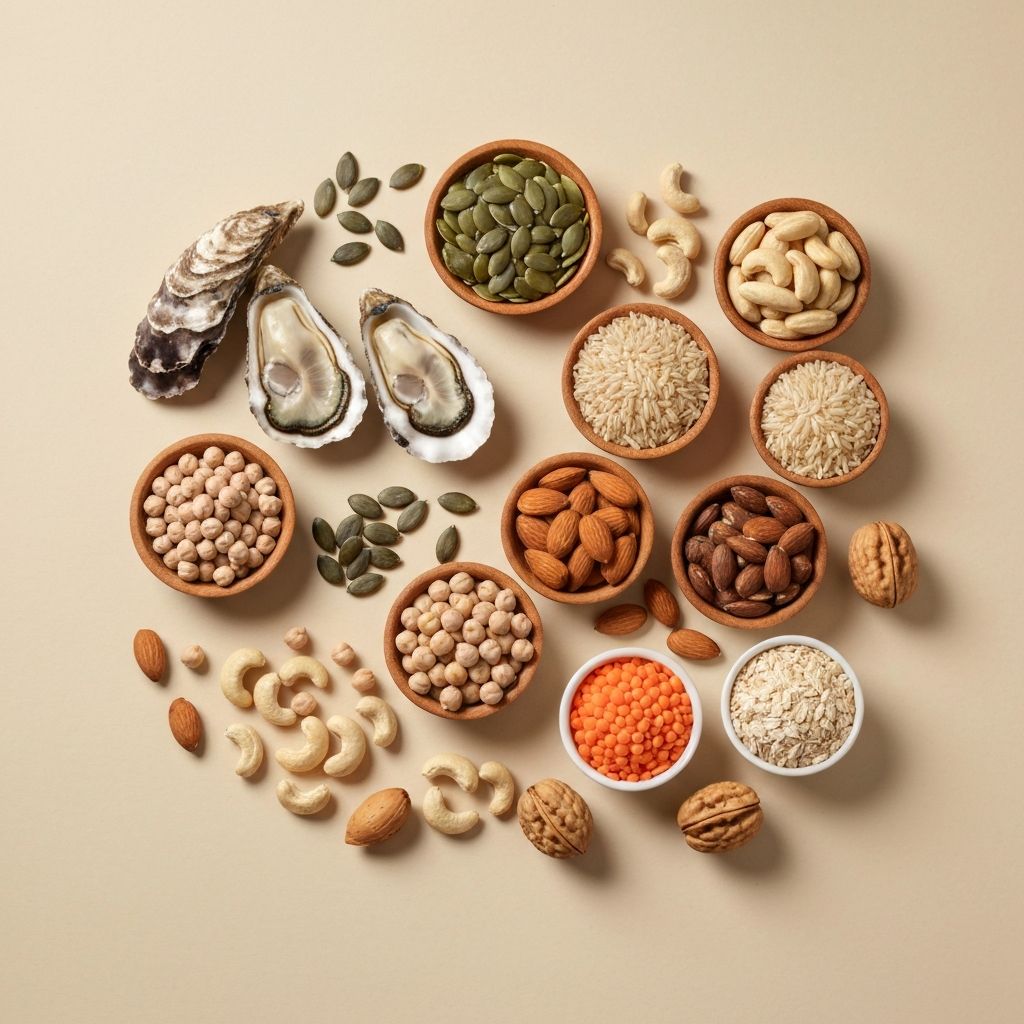
| Zinc | Immune response, cellular repair, protein synthesis | Oysters, beef, pumpkin seeds, legumes, nuts |
| Selenium | Antioxidant defense, thyroid function, DNA synthesis | Brazil nuts, seafood, poultry, eggs, whole grains |
| Magnesium | Muscle function, nerve transmission, energy metabolism | Leafy greens, pumpkin seeds, almonds, dark chocolate, whole grains |
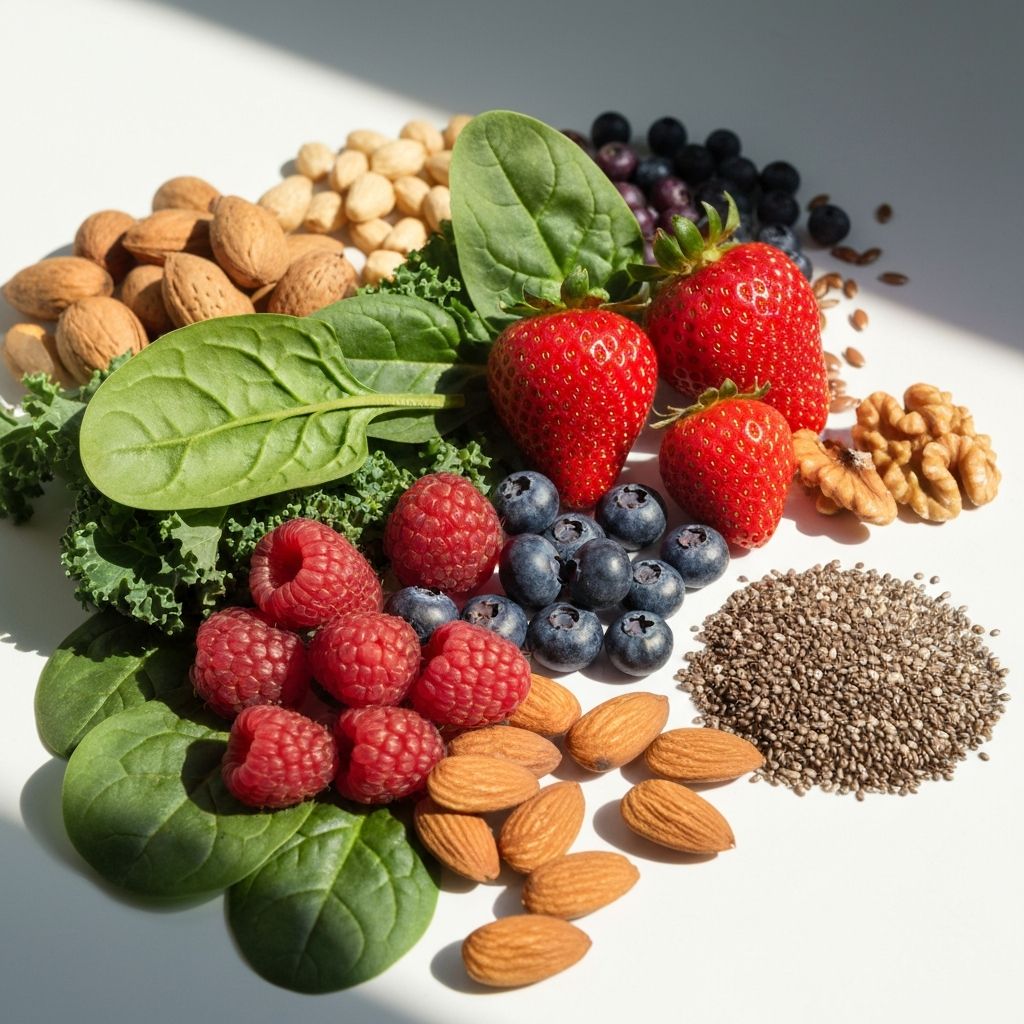
Free radicals are unstable molecules naturally produced during metabolism. Antioxidants stabilize these molecules, helping maintain cellular health. This natural process supports overall well-being.
Common dietary antioxidants include vitamins C and E, selenium, and plant polyphenols found in berries, leafy greens, nuts, and seeds. A diet rich in these components contributes to general health maintenance.
Scientific research continues to explore how antioxidants support various bodily systems. A balanced approach to nutrition, incorporating diverse whole foods, provides a spectrum of protective compounds.
Plant-based ingredients have been used in traditional wellness practices for centuries. Modern science continues to examine their roles in supporting general health. Here are several popular botanical extracts:

An adaptogenic herb from Ayurvedic tradition, Ashwagandha has been used for millennia to support vitality and balance. Modern research explores its role in well-being and stress response.

Various dried herbs contain bioactive compounds that have been traditionally used in wellness practices. These plant materials provide a source of diverse phytonutrients.

Used in traditional medicine for thousands of years, Ginseng root contains compounds studied for their potential to support energy and overall vitality in daily life.
Whole foods provide not just individual nutrients, but also fiber, phytochemicals, and other compounds that work synergistically. A balanced diet rich in vegetables, fruits, whole grains, legumes, nuts, and quality proteins forms the foundation of nutritional support.
Supplementation may be considered to fill specific dietary gaps or provide concentrated doses of particular nutrients. Both approaches serve different purposes, and many individuals benefit from a combination approach.
Individual nutritional needs vary based on lifestyle, dietary choices, and health status. Consulting with healthcare professionals or registered dietitians can help determine the most appropriate approach for each person.
Water is fundamental to all bodily functions, supporting nutrient transport, temperature regulation, and cellular processes. Electrolytes—minerals like sodium, potassium, and magnesium—maintain proper fluid balance and nerve function.
Adequate daily hydration, combined with electrolyte balance from dietary sources, supports overall physical and cognitive function. Individual hydration needs vary based on activity level, climate, and personal factors.

Energy production at the cellular level depends on B vitamins, iron, and minerals like magnesium and zinc. These nutrients are cofactors in metabolic pathways that convert food into adenosine triphosphate (ATP), the body's primary energy currency.
Complex carbohydrates, quality proteins, and healthy fats provide sustained energy release. Combined with adequate sleep, exercise, and hydration, proper nutrition supports sustained vitality and physical stamina for daily activities.
The brain is a nutrient-demanding organ, requiring specific minerals and vitamins for optimal function. B vitamins, magnesium, zinc, and omega-3 fatty acids are particularly important for cognitive performance, focus, and memory.
Antioxidants protect brain cells from oxidative stress, potentially supporting long-term cognitive health. A Mediterranean-style diet, rich in vegetables, fruits, nuts, fish, and quality oils, has been associated with cognitive support in scientific literature.
While supplements can fill dietary gaps, whole foods provide a complex matrix of nutrients and compounds that work together synergistically. No supplement fully replicates the nutritional profile of whole foods.
Nutritional balance is key. Excessive intake of certain nutrients can interfere with absorption of others or cause unwanted effects. Appropriate amounts matter more than megadoses.
Natural does not automatically mean safe or effective. Both natural and synthetic compounds require appropriate dosing and consideration of individual factors. Quality and purity vary among products.
Comprehensive male health extends beyond nutrition alone. Sleep quality, regular physical activity, stress management, and positive social connections all contribute significantly to overall vitality and well-being.
Nutrition forms one pillar of a holistic approach. A balanced diet, combined with lifestyle factors, creates the foundation for sustained energy, cognitive clarity, and general wellness. Individual circumstances vary, and personalized approaches yield the best outcomes.